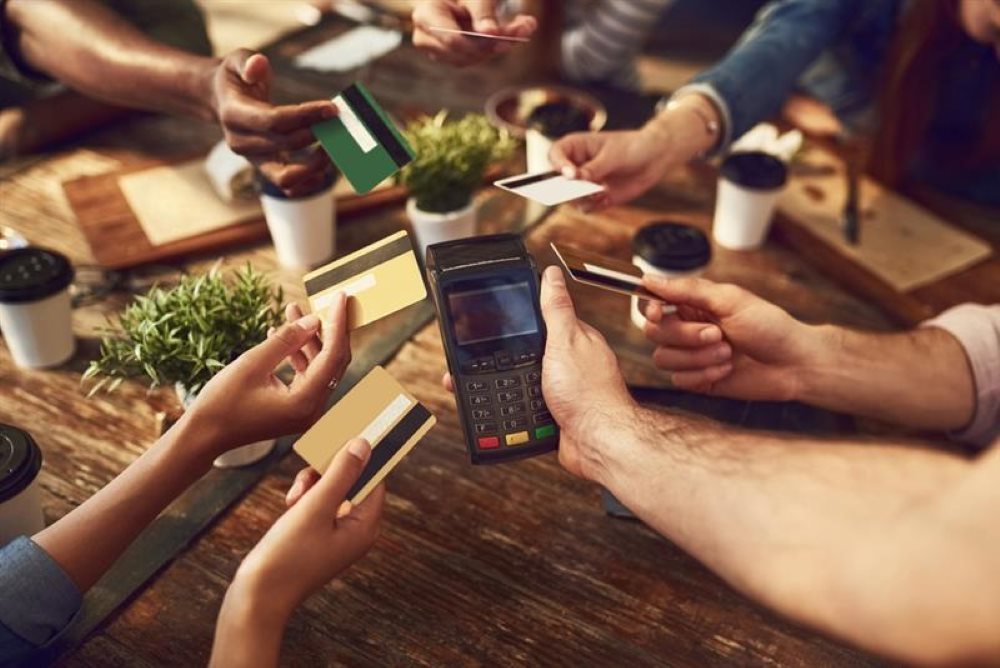
In recent years, digital transformation has revolutionized how consumers pay for goods and services. What began with chip-and-pin cards has now evolved into seamless, contactless payment systems that prioritize convenience, speed, and security. Across restaurants, retail stores, and service industries, handheld POS devices are leading this change.
In particular, contactless POS Canada has experienced explosive growth — not just as a payment option, but as a complete business solution that enhances customer experiences and streamlines operations. As mobile wallets, NFC technology, and digital banking continue to evolve, handheld POS devices are quickly becoming the centerpiece of modern commerce.
Let’s explore how contactless POS devices are transforming Canada’s retail landscape, what the latest handheld POS trends reveal, and what to expect from mobile payments in 2025 and beyond.
1. The Rise of Contactless POS in Canada
Over the past decade, contactless POS Canada has moved from being a convenience to a necessity. What started as a luxury for high-traffic businesses has now become standard across industries — from coffee shops and delivery services to taxis and boutiques.
Canada is one of the global leaders in contactless adoption. According to Payments Canada, over 80% of all in-person card transactions are now contactless. Consumers appreciate the speed and hygiene benefits, while businesses value the efficiency and reduced handling of physical cash.
This widespread acceptance was accelerated by the COVID-19 pandemic, which shifted consumer behavior permanently toward low-touch transactions. What began as a safety measure has evolved into the new norm for payment processing in a digital-first world.
2. The Evolution of Handheld POS Devices
Handheld POS systems are portable terminals that allow merchants to process payments anywhere — whether in a store aisle, at a restaurant table, or during doorstep deliveries. These devices combine advanced hardware and software features to provide flexibility and mobility that traditional checkout systems lack.
Early models were limited to basic credit card swipes. Today’s handheld POS systems support tap-to-pay, QR code scanning, e-receipts, and real-time analytics — all while integrating seamlessly with business management tools like inventory tracking and accounting software.
The latest handheld POS trends point toward an era of “smart terminals,” powered by Android-based operating systems, cloud connectivity, and artificial intelligence. These devices are becoming all-in-one business hubs capable of more than just payment processing.
3. Key Features Driving Adoption in 2025
As we move toward mobile payments in 2025, Canadian businesses are investing in handheld POS devices for their versatility and innovation. Here are the top features driving adoption:
a. Tap-and-Go Convenience
With the rise of contactless POS Canada, customers can now complete transactions in seconds using NFC-enabled cards or smartphones. The process is simple, secure, and increasingly universal.
b. Mobility and Flexibility
Handheld devices eliminate the need for customers to line up at a checkout counter. Retail staff can assist customers and accept payments anywhere in-store — or even curbside.
c. Seamless Integration
Modern POS terminals sync with cloud-based systems, ensuring real-time updates to sales, stock, and customer data. This integration gives businesses an edge in operational efficiency.
d. Security Enhancements
Enhanced encryption, tokenization, and biometric authentication ensure that contactless POS Canada meets the highest global security standards. Devices are PCI-compliant and often come with remote management and fraud detection features.
e. Analytics and Insights
Data-driven insights are one of the most powerful aspects of handheld POS trends. Retailers can now analyze customer behavior, track sales by time or product, and optimize business performance instantly.
4. The Shift Toward Mobile Payments 2025
In Mobile Payments 2025, experts predict an even greater reliance on smartphone-based transactions, with wearable and biometric payment options gaining traction. Consumers increasingly prefer speed, personalization, and minimal contact — and mobile wallets like Apple Pay, Google Pay, and Samsung Pay make this possible.
Canada’s strong financial infrastructure, combined with robust fintech innovation, is positioning the country as a global leader in mobile payment adoption.
Here’s what to expect by 2025:
-
Over 90% of Canadian consumers will use mobile payment methods at least once a month.
-
Traditional cash transactions will decline to less than 5% of total retail payments.
-
Businesses that fail to offer contactless options risk losing customers to more tech-savvy competitors.
For small and medium-sized enterprises (SMEs), adopting handheld and mobile POS systems will be essential to remain relevant in an increasingly cashless marketplace.
5. Handheld POS Trends: What’s Next for Retail and Hospitality
As we look ahead, several major handheld POS trends are shaping the retail technology future in Canada.
a. AI-Driven Customer Experiences
Artificial intelligence is revolutionizing POS systems. From personalized recommendations to predictive restocking alerts, AI helps businesses deliver smarter, faster service.
b. Unified Payment Ecosystems
Future POS systems won’t just process payments — they’ll manage loyalty programs, marketing, and even employee performance. These unified ecosystems create seamless customer experiences.
c. Sustainability Integration
Eco-friendly POS systems that issue digital receipts, use energy-efficient hardware, and reduce paper waste are gaining popularity. Green technology is fast becoming a part of the retail technology future.
d. Cloud and 5G Connectivity
The rollout of 5G across Canada enables faster, more reliable POS performance. Businesses can now connect multiple handheld devices to the cloud for real-time synchronization across locations.
e. Voice and Biometric Payments
Voice-activated and biometric authentication methods (like fingerprint or facial recognition) are making POS interactions more secure and futuristic.
These trends are redefining what it means to “check out.” In the near future, transactions will be faster, smarter, and nearly invisible.
6. Benefits of Contactless POS for Businesses
Businesses that embrace contactless POS Canada are gaining several advantages that go beyond convenience.
Increased Sales Speed
Contactless payments reduce transaction times to mere seconds, improving customer throughput during busy hours.
Better Customer Experience
Fast, frictionless payments translate into happier customers — and higher repeat business.
Improved Cash Flow
Instant digital transactions mean funds reach merchant accounts faster, improving liquidity.
Operational Efficiency
Handheld devices double as portable checkout counters, reducing congestion and optimizing floor space.
Enhanced Hygiene and Safety
Since the pandemic, contactless payment options have become synonymous with safety, reducing the need for physical touchpoints.
Scalability
From one-person vendors to multi-store chains, these systems can grow alongside your business.
7. Challenges and Considerations
Despite the many benefits, businesses adopting new technology should consider certain challenges:
-
Upfront Costs: Upgrading POS systems requires investment in hardware and staff training.
-
Connectivity: Reliable Wi-Fi or cellular service is essential for consistent performance.
-
Cybersecurity: As transactions move online, protecting data from breaches is critical.
-
System Integration: Older software systems may require updates or migration to cloud platforms.
That said, most modern providers offer subscription-based models, making it affordable even for small businesses to implement cutting-edge technology.
8. The Role of Fintech and Innovation
Canada’s fintech ecosystem plays a major role in shaping the retail technology future. Companies specializing in payment solutions, software integration, and mobile wallets are collaborating with banks and retailers to enhance accessibility and affordability.
The rise of all-in-one business platforms — offering payments, analytics, payroll, and CRM tools — has democratized access to advanced technologies once reserved for large corporations. As a result, even local businesses can now operate with enterprise-grade efficiency.
Furthermore, partnerships between telecom providers and fintech companies are expected to accelerate 5G-enabled payment innovation, allowing POS devices to perform faster, smarter, and more securely than ever before.
9. The Road to a Cashless Future
The world is moving steadily toward a cashless economy, and Canada is leading the way. Contactless POS in Canada is no longer a luxury — it’s the cornerstone of modern commerce.
As mobile payments 2025 become mainstream, handheld POS devices will continue evolving into intelligent hubs that do more than process payments — they’ll analyze trends, automate tasks, and personalize experiences.
For retailers, restaurants, and service-based businesses, adopting this technology is not just about staying competitive — it’s about future-proofing operations in a fast-changing digital economy.
10. Final Thoughts
The future of payments is here — and it fits in the palm of your hand. Handheld POS systems are redefining how Canadians shop, pay, and interact with businesses.
From street vendors to nationwide retail chains, contactless POS Canada has become an essential bridge between convenience and innovation. As we move deeper into the digital age, handheld POS trends will continue to shape the retail technology future, creating a marketplace that’s faster, smarter, and more connected than ever before.
By embracing contactless payments today, businesses are not just adapting — they’re leading the transformation toward a modern, frictionless economy.
FAQ’s
Q1. Are handheld POS devices compatible with contactless payments?
A: Yes. Most modern handheld POS devices in Canada are equipped with NFC (Near Field Communication) technology, allowing them to accept tap-to-pay transactions via cards, smartphones, or smartwatches.
Q2. How is mobile POS technology evolving in Canada?
A: Mobile POS systems are becoming more advanced with 5G connectivity, AI-driven analytics, and integration with cloud platforms, helping Canadian businesses deliver faster, more secure, and personalized payment experiences.