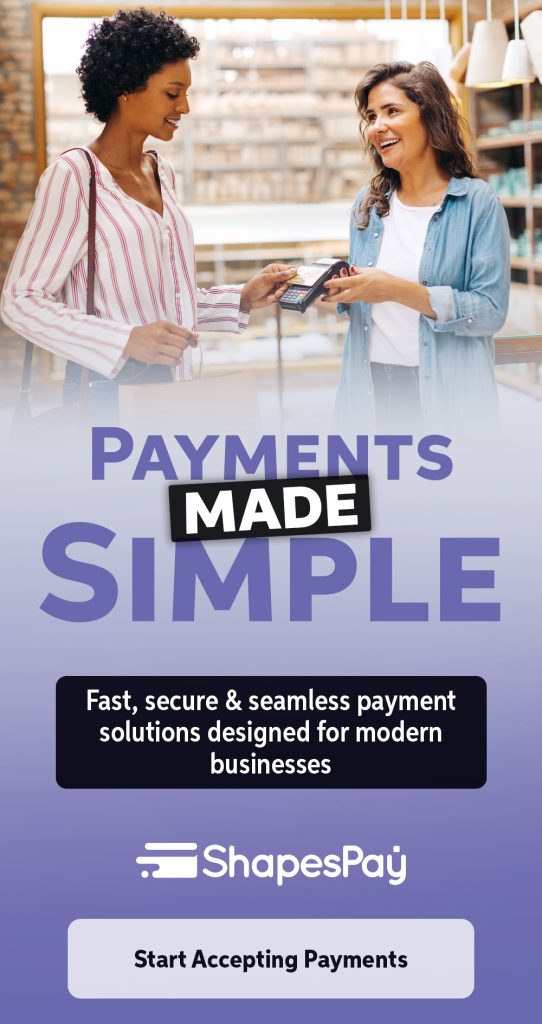
Over the last decade, Canada has emerged as one of the world’s most advanced markets for digital transactions. As consumers shift away from cash and traditional swipe terminals, contactless payments in Canada have become the new normal. Whether it’s tapping a phone, a smartwatch, or a credit card, Canadians now expect fast, frictionless, and secure payment experiences everywhere they shop.
For merchants, this evolution represents both an opportunity and a responsibility. Adopting contactless payment technology not only keeps businesses competitive but also improves customer satisfaction, operational efficiency, and long-term scalability. As we move deeper into 2025 and beyond, understanding where the industry is headed is essential. This comprehensive guide explores how contactless payments have transformed the Canadian market, the rise of tap-to-pay, the growth of mobile payments Canada solutions, and the major digital payments trends merchants must prepare for.
1. A Decade of Growth: How Canada Became a Leader in Contactless Payments
Canada’s journey into contactless adoption has been faster than many countries. Even before the pandemic, Canadians were among the world’s highest users of debit and credit cards. When tap-enabled terminals and EMV chip technology became widespread, consumer behaviour shifted quickly.
The COVID-19 pandemic accelerated the move even further. With hygiene concerns at their peak, contactless transactions soared, permanently solidifying contactless payments s Canada as the preferred method of payment for millions of consumers.
Key reasons for Canada’s rapid adoption include:
-
High trust in banks and financial institutions
-
Early rollout of EMV-enabled POS systems
-
Strong Interac infrastructure
-
Widespread smartphone usage
-
Merchant acceptance across almost all industries
This foundation created one of the most cashless economies in the world.
2. Why Consumers Prefer Contactless Transactions
Today’s customers value speed, convenience, and safety—three things that contactless technology delivers seamlessly.
A. Speed
Transactions take seconds, reducing lineups and making checkout efficient.
B. Convenience
Consumers can pay with a card, phone, smartwatch, or digital wallet without reaching for cash or entering PINs (within limits).
C. Security
EMV technology, tokenisation, and encryption make contactless transactions more secure than magnetic swipe methods.
D. Hygiene
The pandemic made touch-free payments more appealing than ever.
It’s no surprise that contactless payment usage continues to rise every year.
3. Understanding Tap-to-Pay: The Technology Behind the Trend
Tap-to-pay is simple on the surface—tap a card or device and go. Behind the scenes, however, it uses sophisticated NFC (Near Field Communication) technology to securely transmit payment information.
How Tap-to-Pay Works
-
Customer taps their card or device on an NFC reader.
-
The card generates a unique encrypted transaction code.
-
The terminal validates the transaction with the issuer.
-
Payment is approved in seconds.
Because each transaction uses a unique code, tap payments cannot be reused or duplicated.
Why Merchants Are Embracing Tap-to-Pay
-
Faster checkout
-
Shorter lines
-
Better customer experience
-
Lower operational friction
-
Boost in sales due to convenience
Retail, food service, transportation, and healthcare have especially benefited from the rise of tap-to-pay systems.
4. The Rise of Mobile Payments in Canada
Smartphones have dramatically transformed how Canadians pay. Digital wallets like Apple Pay, Google Wallet, and Samsung Pay account for a growing share of transactions.
The evolution of mobile payments in Canada includes:
-
Increased use of biometric authentication (Face ID, fingerprint)
-
Integration with loyalty programs
-
In-app and in-store payment options
-
Wearable payment devices (smartwatches, fitness trackers)
When combined with tap-enabled POS systems, mobile payments reduce friction even further—no physical card is required.
For merchants, accepting mobile payments in Canada is now essential to meet customer expectations.
5. Major Digital Payments Trends Affecting Canadian Merchants
As technology evolves, merchants must stay ahead of the curve. Here are the most important digital payments trends shaping 2025 and beyond.
A. Tokenization and Advanced Security
Payment information is stored as unique digital tokens, increasing security and reducing fraud.
B. Increased Limits for Contactless Transactions
As confidence grows, payment networks are raising tap limits for convenience.
C. Wearable Payments
Smartwatches and fitness trackers are becoming everyday payment devices.
D. Buy Now, Pay Later (BNPL) Expansion
More Canadians, especially younger demographics, are choosing short-term instalment payments.
E. Integration With Loyalty Rewards
Digital wallets now automatically store and redeem rewards, enhancing the checkout experience.
F. QR Code and App-Based Payments
Restaurants and retail are increasingly using app-based checkouts, reducing physical interaction.
Merchants who adapt early gain a competitive edge and provide the modern experience customers expect.
6. Why Merchants Can’t Ignore Contactless Payments Anymore
The shift toward contactless payments in Canada is permanent. Customers who tap today will expect to tap tomorrow—and they may abandon businesses that can’t keep up.
Here’s what merchants gain by upgrading their payment systems:
Faster Service
In fast-paced sectors like cafés, retail, and transportation, tap speeds up everything.
Higher Customer Satisfaction
Customers appreciate frictionless, modern transactions.
Reduced Cash Handling
Less cash means fewer errors, less staff training, and lower theft risk.
Access to Emerging Customer Demographics
Younger consumers overwhelmingly prefer tap and mobile options.
Enhanced Security
EMV tap systems reduce fraud more effectively than traditional swipe cards.
Better Integration With Online Commerce
Contactless-ready POS systems integrate with e-commerce, enabling seamless omnichannel experiences.
In short, contactless payments are not just a convenience—they’re a business strategy.
7. Preparing Your Business for the Next Phase of Payments
Merchants wanting to stay ahead must follow a few crucial steps.
Step 1: Upgrade to NFC-Enabled POS Terminals
Your equipment must support both tap cards and mobile wallets.
Step 2: Train Staff on Digital Payment Etiquette
Teams should understand how to troubleshoot tap issues and encourage adoption.
Step 3: Promote Accepted Payment Methods
Let customers know you support tap, mobile, and wallet-based options.
Step 4: Enable Loyalty Integrations
Customers prefer businesses that reward their purchases instantly.
Step 5: Review Payment Processor Fees
Choose a payment provider offering transparent pricing for tap transactions.
Step 6: Prioritize Security and Compliance
Select PCI-compliant providers and ensure encryption protocols meet Canadian standards.
Step 7: Embrace Future Digital Trends Early
Adopting new technologies before competitors ensures long-term profitability.
8. The Future: What Will Contactless Payments Look Like in 2030?
As technology continues advancing, Canada’s payment ecosystem will shift even further:
-
Facial recognition payments
-
Biometric-only authentication
-
Cashless public transit nationwide
-
Universal digital wallets integrated with government ID
-
Voice-activated payments
-
AI-driven fraud detection
-
Unified online/offline transaction histories
The next stage of digital payments trends will be defined by convenience, speed, and total digital integration.
For merchants, the message is simple: evolve now or fall behind.
Final Thoughts
Contactless payment technology is no longer optional—it’s an essential part of doing business in a digital-first world. With the rise of contactless payments in Canada, the rapid expansion of tap-to-pay, the growing adoption of mobile payments in Canada, and groundbreaking digital payments trends, merchants must modernise quickly to stay competitive.
Businesses that embrace modern payment technology will enjoy faster checkout experiences, improved customer satisfaction, better security, and increased sales. The evolution is here—and Canada is leading the way.
FAQ’s
Q1. How popular are contactless payments in Canada?
A: Extremely popular. Canada is a global leader in tap transactions, with most consumers preferring fast, secure contactless payments for everyday purchases across retail, food service, transportation, and more.
Q2. What types of businesses benefit most from tap-to-pay systems?
A: All sectors gain, but especially high-volume environments like cafés, retail shops, grocery stores, salons, and quick-service restaurants, where fast checkout directly improves efficiency, customer satisfaction, and overall revenue.
Q3. Are mobile payments safer than cards?
A: Yes. Mobile payments use encryption, tokenisation, and biometric authentication, making them extremely secure. They reduce the risk of card skimming and provide multi-layer protection against fraud.