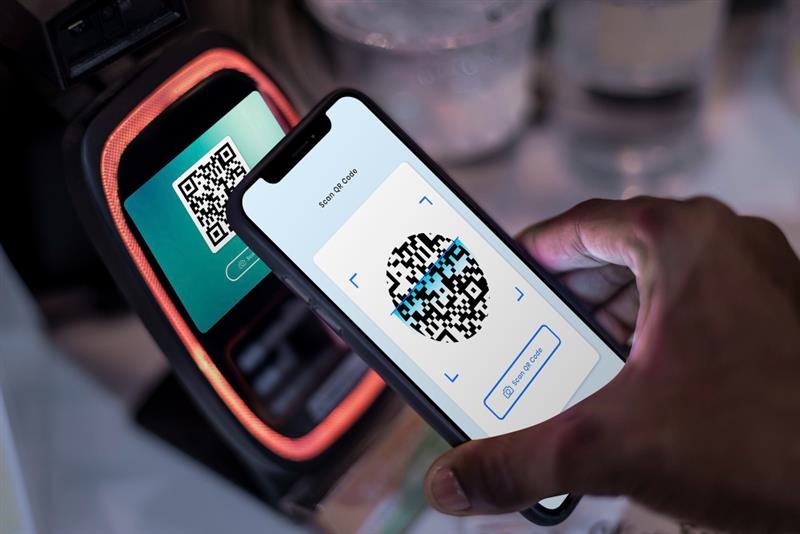
In a world where digital transactions have become the norm, protecting financial information has never been more important. Businesses and consumers rely on technology for everyday purchases, subscriptions, and transfers, which makes secure payments a critical part of modern commerce. As online activity increases, so do the risks, making strong payment security essential for safeguarding sensitive information and maintaining customer trust.
Companies today must take security seriously. Cyber threats, identity theft, and payment fraud are rapidly evolving, and outdated systems can no longer keep up. This is why modern fintech solutions now prioritize real-time monitoring, encryption, and fraud-detection tools designed to protect businesses and customers at every step of the transaction process.
The Rising Need for Secure Payments
With millions of digital transactions happening every second, criminals are constantly searching for vulnerabilities. Data breaches, phishing, and card-testing attacks have become more common, making secure payments a top priority for every business. When customers know that a company protects their information, trust increases—and trust directly influences purchasing behavior.
Strong payment security is more than just a technical feature. It supports brand reputation, customer loyalty, and long-term growth. When a business invests in secure systems, it signals professionalism and reliability. This is why companies of all sizes, from startups to global corporations, now depend on advanced fintech solutions to protect transactions from the moment they begin.
How Payment Security Protects Customer Data
Modern payment security involves multiple layers of protection designed to ensure every transaction is safe. Instead of relying on a single method, companies use several technologies together to reduce risk and detect threats early.
Key components of strong secure payments include:
- Encryption: Protects card data during transmission
- Tokenization: Replaces sensitive information with secure digital tokens
- Multi-factor authentication: Adds extra verification steps
- AI-driven fraud monitoring: Detects unusual behavior instantly
- Secure gateways: Create protected channels for transactions
These methods work together to ensure that even if cybercriminals intercept data, it is unreadable and useless. This layered system is one of the reasons modern fintech solutions have become so effective at fraud prevention.
The Role of Fraud Prevention in Today’s Market
Every business—online or in-store—faces fraud risks. Chargebacks, stolen card numbers, and fake accounts can cost companies thousands of dollars. Effective fraud prevention tools analyze transactions in real time to detect suspicious patterns, such as rapid multiple purchases, mismatched billing details, or unusual login locations.
Advanced fintech solutions use machine learning to compare each transaction against millions of data points, automatically stopping high-risk activity. This not only protects businesses financially but also reduces friction for customers who want fast, smooth transactions without unnecessary delays.
With secure payments and intelligent fraud prevention working together, companies can offer speed and safety at the same time.
How Fintech Solutions Improve Payment Safety
The rise of digital payments has transformed the financial industry. Modern fintech solutions allow businesses to accept multiple payment types—credit cards, mobile wallets, online transfers, and more—without compromising security. These platforms constantly update their systems to stay ahead of cyber threats.
Fintech innovations improve payment security by offering:
- End-to-end encryption
- Real-time fraud detection
- Cloud-based protection
- Advanced identity verification
- Automated compliance tools
As businesses expand across borders, fintech technology also helps support international secure payments, currency conversion, and cross-border compliance. This flexibility makes fintech one of the strongest pillars of today’s digital economy.
Why PCI Compliance Matters
A major part of payment security is compliance with global security standards. The Payment Card Industry Data Security Standard (PCI DSS) sets out the rules businesses must follow to handle card information safely.
PCI compliance requires companies to:
- Secure cardholder data
- Maintain strong access controls
- Use updated security systems
- Regularly monitor and test networks
- Train staff on best practices
Because PCI rules are mandatory for businesses that process card payments, compliant companies significantly reduce the risk of data breaches. Modern fintech solutions help automate PCI compliance, making it easier for businesses to meet guidelines without handling everything manually.
Why Secure Payments Build Customer Trust
When customers feel safe, they buy it with confidence. Secure payments inspire trust by showing that a business puts customer safety first. Whether someone is shopping online, paying in-store, or subscribing to a service, they want reassurance that their financial information is protected.
Strong payment security helps businesses:
- Increase conversion rates
- Reduce abandoned carts
- Lower fraud losses
- Build stronger relationships
- Improve reputation and loyalty
Trust is one of the most valuable assets a business can earn. Security is how that trust is built.
Final Thoughts
As digital commerce continues to grow, secure payments are no longer optional—they are essential. Modern payment security systems, advanced fraud prevention tools, and innovative fintech solutions work together to keep customer data safe and transactions smooth. Businesses that invest in strong security not only protect themselves but also build confidence with every customer interaction. In an era where threats evolve quickly, strong payment technology is one of the most powerful tools a company can have.
FAQ’s
Q1. How are payments secured?
A: Payments are secured using encryption, tokenization, fraud monitoring, and PCI-compliant technology. These measures ensure secure payments and strong payment security at every stage.
Q2. What is PCI compliance?
A: PCI compliance means following security standards that protect cardholder information. Modern fintech solutions help businesses meet these requirements while reducing fraud and strengthening payment security.