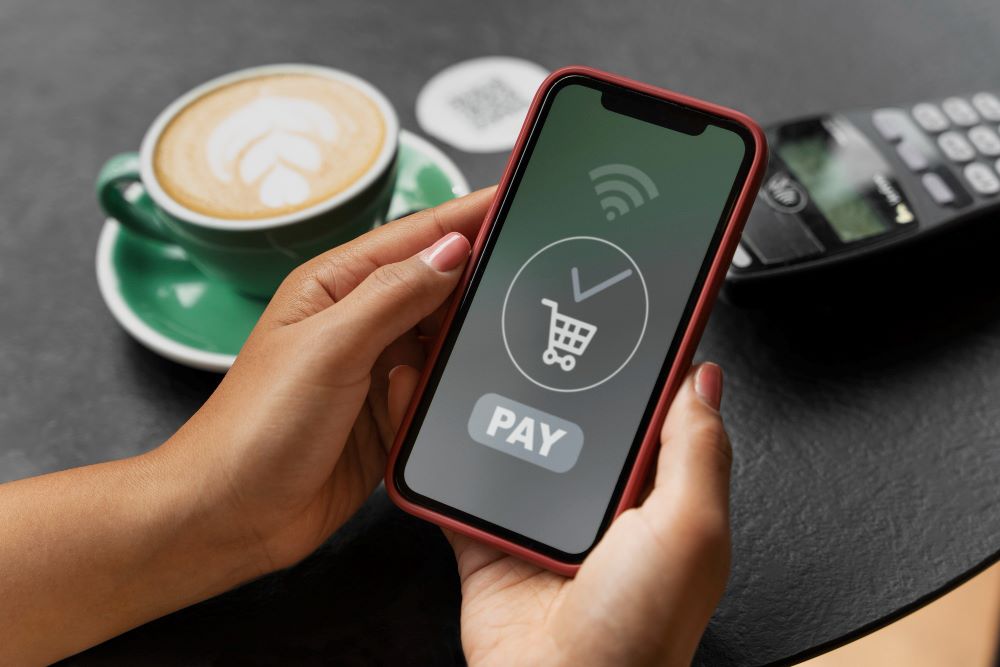
In today’s fast-paced retail and hospitality environment, efficiency at the checkout is critical for enhancing customer satisfaction and improving business operations. One technology that has transformed the payment landscape is handheld terminals. These devices, also known as mobile POS systems or portable payment terminals, allow businesses to process payments anywhere in the store or on the go, reducing wait times and streamlining transactions. Understanding how these devices work and the advantages they offer can help businesses improve their operations and provide a seamless customer experience.
What Are Handheld Terminals?
A handheld terminal is a compact, wireless device that enables merchants to process payments without being tied to a fixed cash register. Equipped with card readers, touchscreens, and connectivity options, these devices can handle credit and debit transactions, contactless payments, and even mobile wallet transactions. By using mobile POS systems, businesses can provide flexible checkout options, whether in-store, at events, or on delivery routes.
These devices are also referred to as wireless card machines or portable payment terminals, emphasizing their mobility and convenience. Unlike traditional POS systems, handheld terminals do not require extensive wiring or stationary setups, making them ideal for businesses that prioritize speed and adaptability.
How Mobile POS Systems Work
Mobile POS systems function by connecting a handheld device to a payment processing network. When a customer swipes, inserts, or taps their card, the transaction is encrypted and transmitted securely to the payment gateway for authorization. The approval process happens in seconds, allowing the merchant to complete the sale quickly.
Some handheld terminals also integrate with inventory management and customer relationship management (CRM) software, providing a comprehensive solution for modern retailers. This connectivity allows businesses to track sales in real-time, manage stock levels, and analyze customer behavior, all from a single portable device.
Benefits of Using Handheld Terminals
There are several advantages to adopting handheld terminals and mobile POS systems:
- Faster Checkout: By bringing the device to the customer, businesses can reduce lines and wait times, improving the overall shopping experience.
- Flexibility: Portable payment terminals enable staff to process payments anywhere, whether at the table in a restaurant, on the shop floor, or during off-site events.
- Enhanced Security: Modern wireless card machines use encryption and tokenization to protect sensitive customer data, ensuring that transactions are secure.
- Reduced Operational Costs: Handheld terminals eliminate the need for multiple stationary registers, lowering equipment and maintenance expenses.
- Improved Customer Engagement: Staff can assist customers directly at their location, answer questions, and complete sales seamlessly, enhancing service quality.
Choosing the Right Portable Payment Terminal
Selecting the right portable payment terminal depends on your business needs. Factors to consider include:
- Connectivity: Devices may operate via Wi-Fi, cellular networks, or Bluetooth. Ensure the terminal can function reliably in your operating environment.
- Compatibility: Confirm that the mobile POS integrates with your existing payment processor and software systems.
- Security Features: Look for terminals with end-to-end encryption, EMV compliance, and contactless payment capabilities.
- Battery Life: Since handheld terminals are mobile, long battery life ensures they remain operational throughout busy periods.
By evaluating these factors, businesses can choose a device that maximizes efficiency and enhances customer satisfaction.
Real-World Applications of Handheld Terminals
Handheld terminals are widely used across various industries. In retail, they allow floor staff to process payments directly at the customer’s location, reducing checkout lines. In restaurants, servers can take orders and accept payments tableside, streamlining service and increasing table turnover. Delivery services and pop-up shops benefit from the mobility of portable payment terminals, enabling secure transactions anywhere.
Future of Mobile POS Systems
As technology continues to evolve, mobile POS systems are becoming smarter and more integrated. Advanced devices offer analytics, inventory management, and customer engagement tools in addition to payment processing. The adoption of contactless payments and digital wallets further enhances the convenience and speed of handheld terminals, making them a standard solution for modern businesses aiming to optimize operations and improve customer experiences.
Conclusion
Handheld terminals, also known as mobile POS systems or portable payment terminals, are revolutionizing the way businesses handle transactions. By providing speed, flexibility, and security, these devices enhance customer satisfaction and streamline operations. Whether in retail, hospitality, or delivery services, adopting wireless card machines ensures faster checkout, reduced operational bottlenecks, and seamless payment experiences. For businesses looking to stay competitive, investing in handheld terminals is a smart step toward modern, efficient, and customer-friendly operations.
FAQ’s
Q1. What is a handheld payment terminal?
A: A handheld payment terminal is a portable device used to process payments. It allows merchants to complete transactions anywhere, providing flexibility, speed, and convenience compared to traditional stationary POS systems.
Q2. Are mobile POS terminals secure?
A: Yes. Modern mobile POS systems and wireless card machines use encryption, EMV chip technology, and tokenization to secure payment data, making transactions safe for both merchants and customers.